Most modern tools used on the sales floor automatically create a record of activity. Work that runs through point-of-sale systems, handheld devices, and digital workflows generates structured data that teams can analyze and act on.
Data-driven organizations are 23 times more likely to acquire customers and 6 times more likely to retain them, showing how much measurable insight matters.
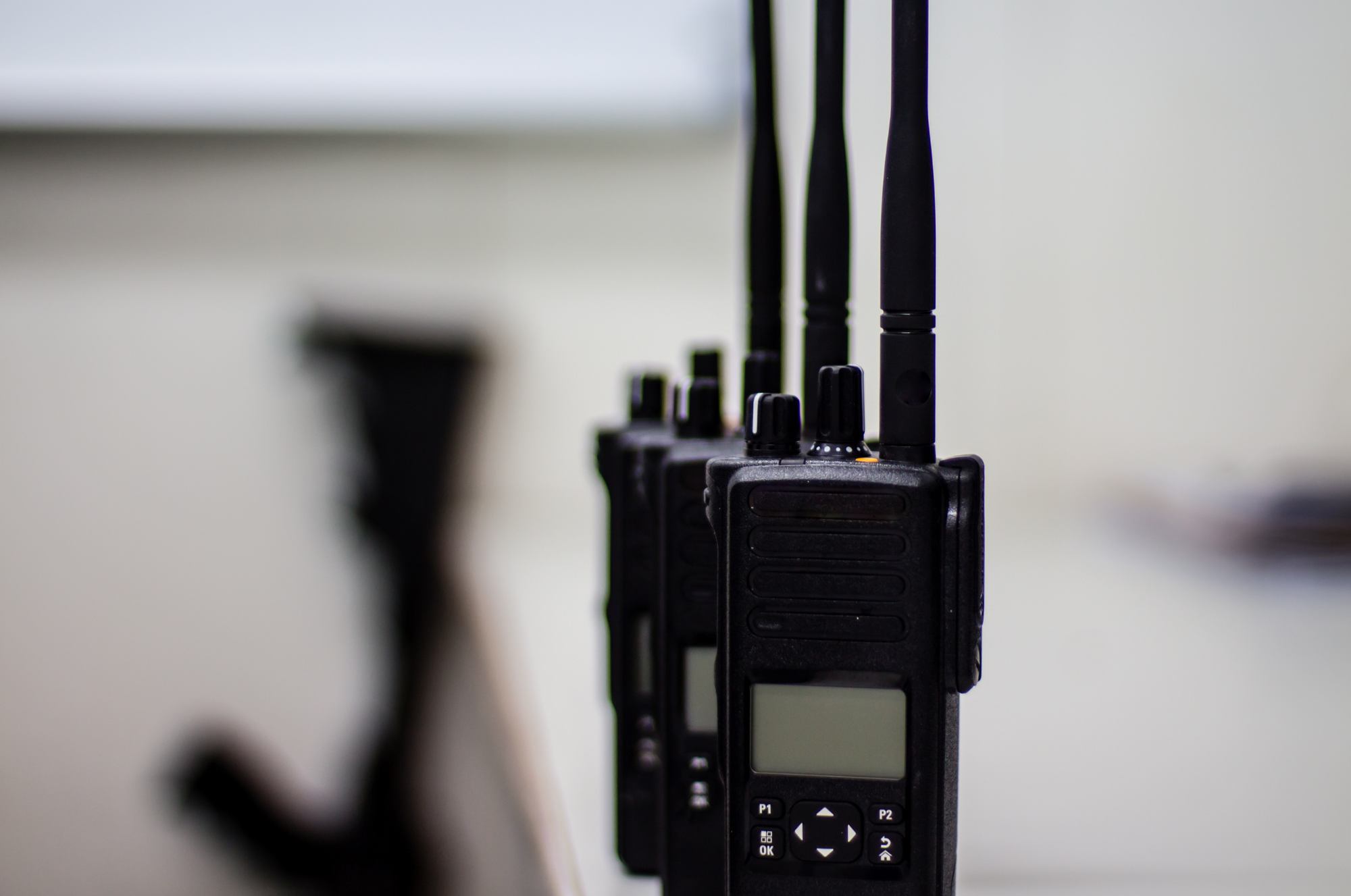
Two-way radios operate outside of this standard. Despite being one of the most heavily used tools on the sales floor, for some of the most critical operations, the work that flows through them doesn’t capture data.
A growing visibility gap on the sales floor
Most time-sensitive work on the sales floor happens through two-way radios. Associates use them to ask for help, coordinate coverage, locate inventory, and resolve issues as they happen. These interactions shape response times, service quality, and how smoothly the store operates.
Voice activity runs through analog devices that historically haven’t been able to capture data. As a result, the coordination that keeps the store running never becomes part of the operational data retailers rely on to inform decision making.
Why voice needs a data layer
The absence of measurable voice data has operational consequences. Retailers are left without a reliable way to assess response times, repeated requests, missed calls, or where coordination breaks down.
Without this insight, improving staffing, service levels, and workflows becomes guesswork rather than informed decision-making. Outcomes may be visible elsewhere, but the interactions driving those outcomes are not. What’s needed is a way to make voice measurable without changing how teams communicate. This is where SYNQ’s AI Radio comes in.
Bringing data standards to voice with AI Radio
SYNQ’s AI Radio brings voice interactions from two-way radios into the cloud, turning them into structured, usable data. Retailers can understand what types of requests are coming in, how quickly teams respond, where delays occur, and how work is distributed across shifts and departments.
Those insights can be reviewed through reports to spot patterns, track performance over time, and identify where operational changes are needed. Importantly, this added capability doesn’t require costly device overhauls or changes to how frontline teams work. Associates continue using radios as they always have, while retailers gain a clearer view of how operations are actually running.
In practice, retailers often uncover things they didn’t have visibility into before. For example, tracking radio activity can reveal how long customers are actually waiting after help is requested, or that inventory and product location questions account for a large share of radio traffic. Stores may also see that requests for additional support consistently spike during busy periods, pointing to bottlenecks that were previously hard to explain.
Closing the data blind spot
Retailers expect their systems to provide insight into how work gets done, but voice communication hasn’t kept pace. Although it’s a key part of how frontline teams operate, it offers little understanding of what actually happens on the sales floor.
Bringing insight to voice closes a major gap in operations. When radio communication is measured alongside other frontline systems, retailers can manage voice with the same clarity as everything else.
Data capture is the standard. Voice shouldn’t be the exception.